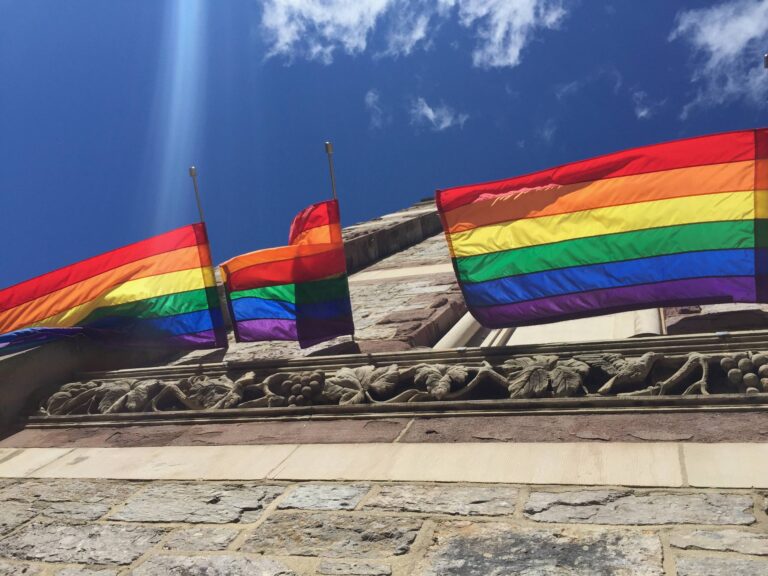
Chemsex refers to using substances like methamphetamine, GHB, or mephedrone during sexual encounters. It happens across many communities, though it tends to be talked about most in the context of gay men and queer social circles, where certain drugs have become deeply embedded in nightlife and hookup culture over the past few decades.
Even so, it is still rarely discussed openly, especially in a therapeutic context. That gap matters.
Why It Happens
Chemsex is not random. It tends to show up at the intersection of a few things: the desire for sexual intensity and connection, the way certain drugs lower inhibition and quiet shame or body anxiety, and the history of substance use being woven into queer social spaces for generations. For many gay men, particularly those who came of age when gay bars were one of the few safe gathering places, substances and community have long been intertwined.
Creative communities are another place where this pattern appears more than people expect. Performers, artists, and entertainers often navigate specific pressures that make substances appealing: performing vulnerability publicly, having your sense of self tied to your work, the gap between a stage persona and a private life. Substances can feel like a way to decompress, let go, or feel something different when the performance is over. That is not about creative people being inherently more fragile. It is about specific contexts that make certain coping patterns more likely.
There is also a loneliness factor that does not get talked about enough. When sex and drugs together become the primary way someone is getting intensity, closeness, or relief from chronic stress, that combination can be very hard to step back from, even when part of you wants to.
When It Becomes a Concern
Not everyone who has chemsex is in crisis. Some people engage occasionally and without significant consequences. But for others, the pattern escalates in ways that are hard to see from inside it: more frequent use, riskier situations, sexual experiences that feel troubling in retrospect, and increasing difficulty with sober sex or sober intimacy.
It can also interact with mental health in real ways. Stimulant use especially can worsen anxiety and depression over time. And the crash that follows heavy use, sometimes called “suicide Tuesday” in some gay communities, is a serious thing that deserves to be named honestly.
Shame Makes It Worse
One of the most consistent things I see is that shame keeps people from getting help long after they have already decided they want it. Gay men especially may feel like they cannot bring chemsex up with a therapist without being judged, misunderstood, or lectured. They worry the therapist will not know the context, will not understand what GHB is, or will respond with alarm instead of curiosity.
That concern is not unfounded. A lot of therapists are not equipped to work with this without projecting their own discomfort onto the person in front of them. Finding someone who actually gets it makes a significant difference.
What Affirming Support Looks Like
Working with someone in a sex-positive, LGBTQ+-affirming way means not treating chemsex as inherently pathological. It means understanding the social context, asking real questions, and helping someone figure out what they actually want, not what they think they are supposed to want.
Sometimes that looks like harm reduction. Sometimes it means working through the anxiety or trauma that substances were helping to manage. Sometimes it is about building toward sober intimacy, which can feel unfamiliar or even frightening for people who have relied on drugs to feel close to another person. Often it is some combination of all of those things at once.
You Do Not Have to Figure This Out Alone
This post is really just the beginning of a much bigger conversation. Chemsex touches on identity, trauma, intimacy, shame, and community in ways that deserve far more space than a single blog post. If any of it resonated, that is probably worth sitting with.
If you have been dealing with chemsex, substance use in sexual contexts, or the shame that comes with either of those things, talking to someone who actually understands the landscape can help. I work with gay men, LGBTQ+ folks, artists, performers, and people across the spectrum navigating substance use, intimacy, and identity, available virtually and in person in New York City. A free 15-minute consultation is a low-pressure place to start.
This post is for informational purposes only and is not a substitute for professional mental health care. If you are in crisis or need immediate support, the 988 Suicide and Crisis Lifeline is available 24/7 by calling or texting 988.