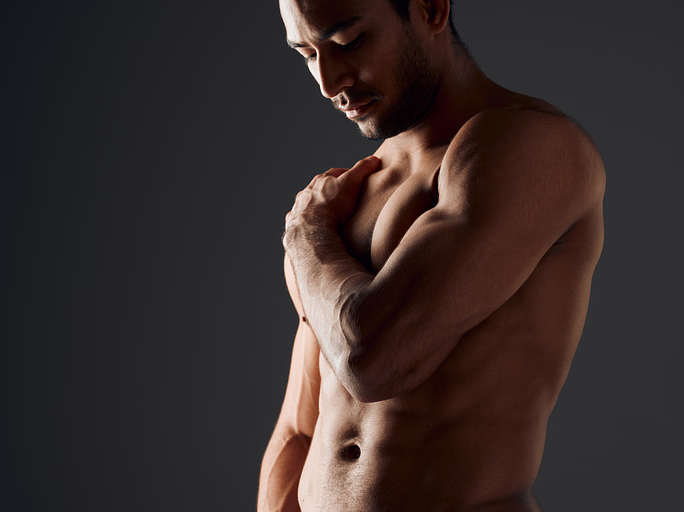
For many gay men, the pursuit of the “perfect body” can feel less like a hobby and more like a quiet, persistent pressure. It shows up in gym culture, dating apps, social circles, and even in the way we talk to ourselves in the mirror. While striving for health and confidence can be empowering, the chase for perfection can also become exhausting, isolating, and deeply tied to our sense of worth.
Below are a few reflections for anyone who’s been carrying these questions alone.
When Body Ideals Become a Silent Rulebook
In LGBTQ+ communities—especially among gay men—body ideals often come wrapped in unspoken expectations. Muscular. Lean. Youthful. Effortless. But rarely do we talk about how much work, anxiety, and comparison live underneath that surface. It’s common to feel like you’re trying to keep up with rules no one explicitly taught you, but everyone seems to know. Naming that pressure is a meaningful first step toward loosening its hold.
The Emotional Weight Behind the Physical One
Body image struggles aren’t really about bodies—they’re about belonging, safety, and visibility.
For many, these feelings trace back to earlier experiences: teasing, exclusion, hiding parts of oneself, or believing acceptance must be earned through achievement. When perfection becomes a stand‑in for protection, compassion becomes essential. You deserve to understand the emotional story behind the physical expectations you carry.
Community, Comparison, and the “Never Enough” Loop
It’s easy to forget that what we see—online or in person—is curated, filtered, or simply the highlight reel. Still, comparison can become a reflex, and it often doesn’t leave much room for nuance:
Am I enough? Should I be doing more? Do I measure up?
Stepping back from these loops doesn’t require abandoning the desire to feel good in your body. It simply means giving yourself permission to define “enough” on your own terms, not someone else’s.
Learning to Live in Your Body With More Gentleness
Healing body‑related stress doesn’t mean rejecting goals or giving up on wellness. Instead, it might look like:
• noticing the tone of your inner dialogue
• letting your values—not pressure—guide your choices
• honoring the parts of you that are tired of performing
• finding spaces where authenticity matters more than appearance
Gentleness doesn’t make you complacent; it makes you grounded. And groundedness leaves room for growth that actually feels sustainable.
If you’re struggling with body image or feeling weighed down by expectations, you’re not alone—and you don’t have to sort through it by yourself. I’d love to talk with you these and other issues that might be holding you back. Give me a call or send me an email today. Talking through these experiences with someone who understands LGBTQ+ identity and community dynamics can offer clarity, relief, and a new way forward.
Whenever you’re ready, support is here. Wherever you are on your journey of self-acceptance, I would love to talk about working together. Be in touch.