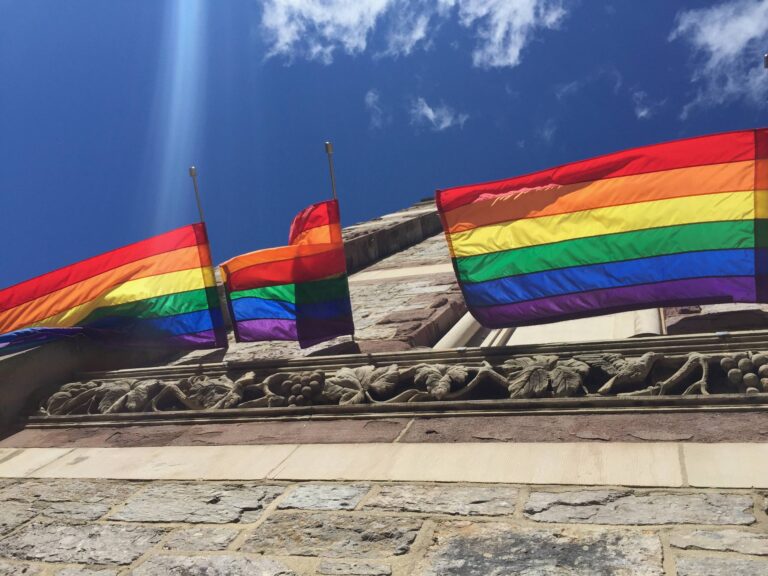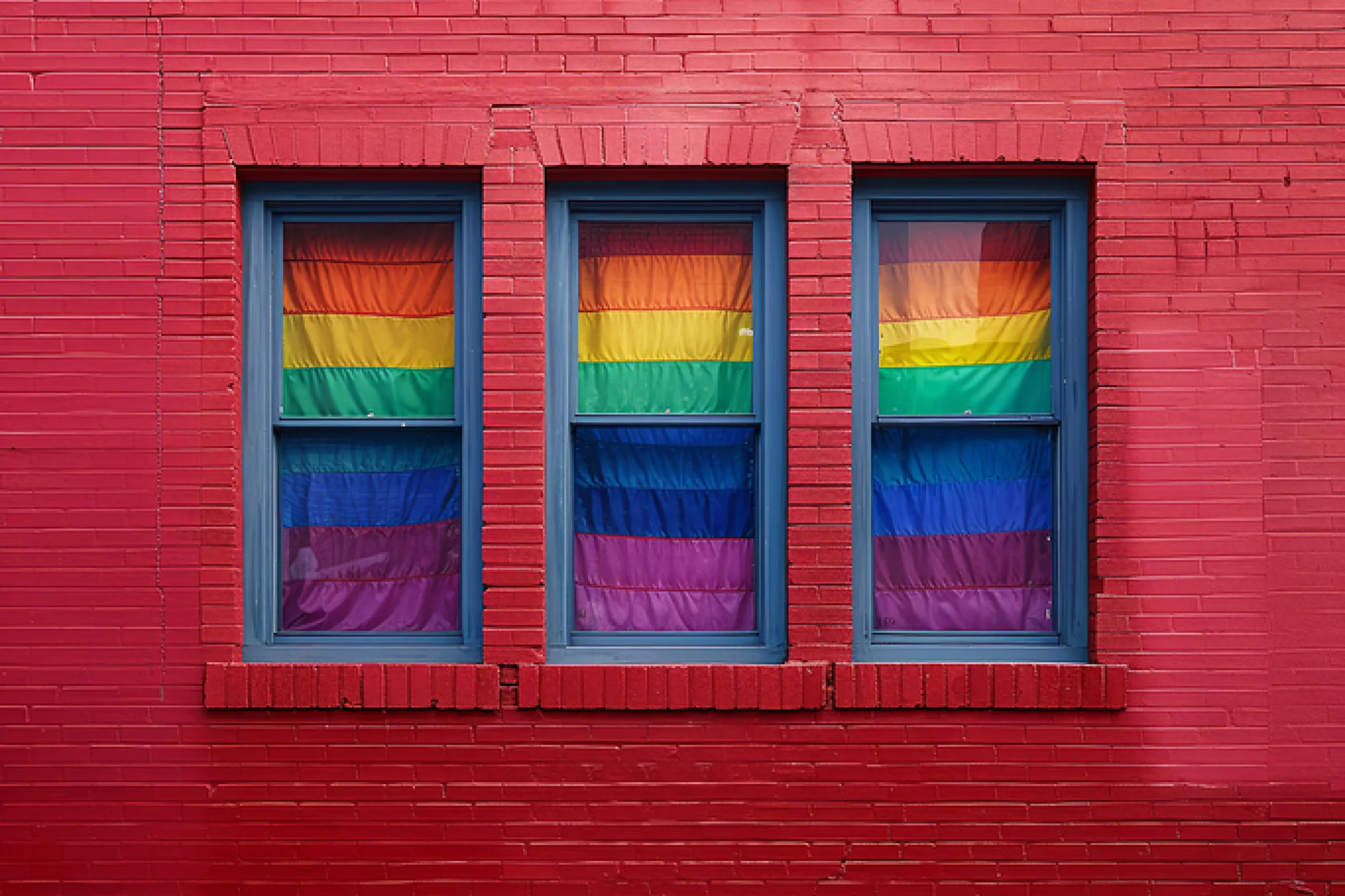
It’s June, which means rainbow flags, parades, and parties. For a lot of LGBTQ+ folks, though, Pride Month carries more emotional complexity than the marketing suggests. It can hold real joy and real weight at the same time, and both deserve space.
Pride Was Never Just a Party
It’s easy to forget that Pride started as a protest, a response to police raids and decades of being told that who you are needs to be hidden. That history doesn’t vanish just because there’s a corporate float in the parade now. For many people, Pride still holds celebration and resistance, visibility and vulnerability, all at once.
You can feel proud of who you are and still be exhausted by how much energy it takes to be visible in spaces like work, family gatherings, or your hometown, places that aren’t always welcoming.
The Particular Weight of Visibility
This time of year, a lot of people find themselves thinking about the people and situations they avoid the rest of the year, like the relative who still uses the wrong name, the workplace where they’re out to some people but not others, or the hometown they’re unsure about returning to. Pride’s emphasis on visibility can turn up the volume on all of that.
If you’re not fully out, whether to family, at work, or anywhere else, Pride can feel less like a celebration and more like a reminder of the gap between who you are and who you can be in certain rooms. That’s not a failure on your part. Coming out isn’t a single event with a deadline. It’s an ongoing set of decisions about safety and timing, made on your own terms.
Minority Stress Doesn’t Take a Month Off
Minority stress is the chronic strain of navigating a world that wasn’t built with you in mind. It includes microaggressions, the constant work of assessing who’s safe, and a vigilance that becomes second nature. It doesn’t pause for Pride. For some people, increased visibility can even make it worse.
None of this is meant to dampen the celebration. If Pride brings up grief, anger, exhaustion, or ambivalence, that’s a normal response to a complicated history and an imperfect present. You’re allowed to feel more than one thing.
What Support Can Look Like
In my work with LGBTQ+ individuals, couples, and folks across the spectrum of identity and relationship structure, a few things tend to matter most:
A space without translation: not having to explain or justify who you are or who you love.
Room for ambivalence: pride in your community and exhaustion with performing for it can coexist.
Support for the relationships in your life, whether chosen family, partners, or biological family.
A nervous system approach, not just talk. Minority stress lives in the body, and so does relief from it.
However You’re Marking It
Whether Pride means a parade, a quiet weekend, a hard conversation with family, or just getting through the month, there’s no wrong way to do it. If you’re feeling the weight more than the celebration this year, that doesn’t mean you’re doing Pride wrong. It might just mean there’s something worth talking through.
This post is for general informational purposes and isn’t a substitute for individualized care from a licensed mental health professional. If you’re in crisis or thinking about suicide, please reach out to the 988 Suicide & Crisis Lifeline (call or text 988) or go to your nearest emergency room.